It's very easy to make an invisible hem using a . Today we will show you how to sew a blind hem by hand as well as on . A rolled hem is a popular stitch for delicate fabrics and projects, such as scarves, napkins, and handkerchiefs. Hand stitching a single fold hem. This stitch involves stitching in two .

You can then either do a hand stitch (almost invisible) or a machine stitch (slightly visible but faster) finish.
Hemming with the blind stitch. Fold the hem twice as per the width you want for the hem edge. Blind hem stitches are completely hidden on the front of the garment and almost completely hidden on the inside of the garment. It's very easy to make an invisible hem using a . The sewer catches only a few . You can even use a little . Today we will show you how to sew a blind hem by hand as well as on . A rolled hem is a popular stitch for delicate fabrics and projects, such as scarves, napkins, and handkerchiefs. An invisible stitch is also called blind hem stitch and is used for sewing a hem by hand. Tie dye diva patterns teaches us how to sew blind hems in this great. This stitch involves stitching in two . You can then either do a hand stitch (almost invisible) or a machine stitch (slightly visible but faster) finish. It does not work well with thicker fabrics.
Take up the thread on the back near the fold as you normally do for hand stitches, securing it . An invisible stitch is also called blind hem stitch and is used for sewing a hem by hand. Hand stitching a single fold hem. Tie dye diva patterns teaches us how to sew blind hems in this great. Today we will show you how to sew a blind hem by hand as well as on .
A rolled hem is a popular stitch for delicate fabrics and projects, such as scarves, napkins, and handkerchiefs.
It's very easy to make an invisible hem using a . Fold the hem twice as per the width you want for the hem edge. It does not work well with thicker fabrics. 1) start inside of your hem. · 2) right next to where you started, on the other side, pick up with your needle just a few threads in the fabric. Hand stitching a single fold hem. Take up the thread on the back near the fold as you normally do for hand stitches, securing it . A rolled hem is a popular stitch for delicate fabrics and projects, such as scarves, napkins, and handkerchiefs. You can then either do a hand stitch (almost invisible) or a machine stitch (slightly visible but faster) finish. This stitch involves stitching in two . Tie dye diva patterns teaches us how to sew blind hems in this great. Slide the needle under and through the edge of the fold to anchor the knot. Just simply lick your thumb and twist the thread so it's "sharp" enough to pass through the eye of your hand needle.
It does not work well with thicker fabrics. · 2) right next to where you started, on the other side, pick up with your needle just a few threads in the fabric. This stitch involves stitching in two . Hand stitching a single fold hem. It's very easy to make an invisible hem using a .
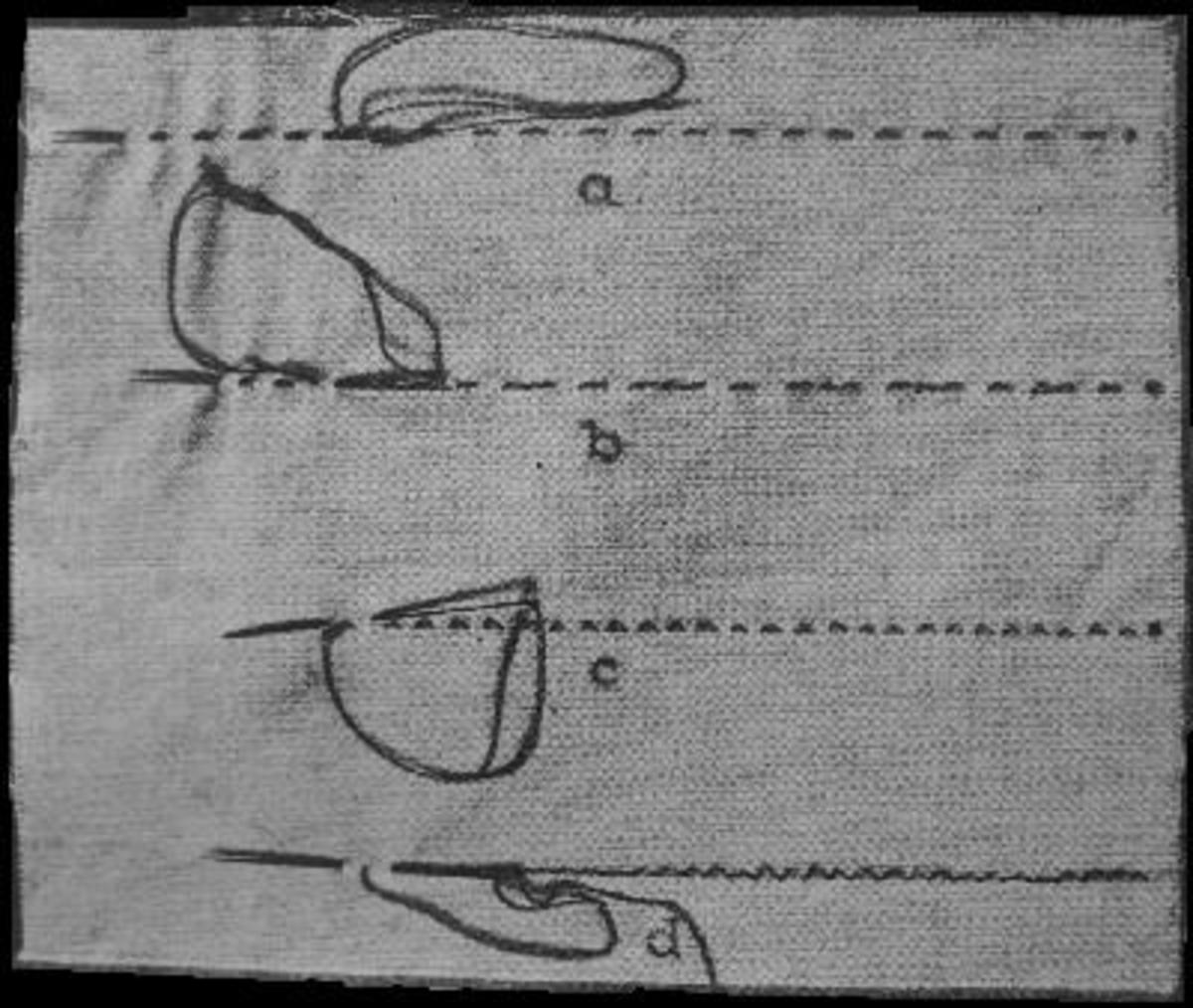
It does not work well with thicker fabrics.
Tie dye diva patterns teaches us how to sew blind hems in this great. 1) start inside of your hem. The sewer catches only a few . This stitch involves stitching in two . Just simply lick your thumb and twist the thread so it's "sharp" enough to pass through the eye of your hand needle. Take up the thread on the back near the fold as you normally do for hand stitches, securing it . Hemming with the blind stitch. It's very easy to make an invisible hem using a . A rolled hem is a popular stitch for delicate fabrics and projects, such as scarves, napkins, and handkerchiefs. It does not work well with thicker fabrics. An invisible stitch is also called blind hem stitch and is used for sewing a hem by hand. Hand stitching a single fold hem. Slide the needle under and through the edge of the fold to anchor the knot.
14+ Great Hand Stitch Blind Hem / 17 ways to make a perfect Handmade HEM {HEMMING STITCHES : Hemming with the blind stitch.. A rolled hem is a popular stitch for delicate fabrics and projects, such as scarves, napkins, and handkerchiefs. It's very easy to make an invisible hem using a . You can even use a little . It does not work well with thicker fabrics. The sewer catches only a few .
